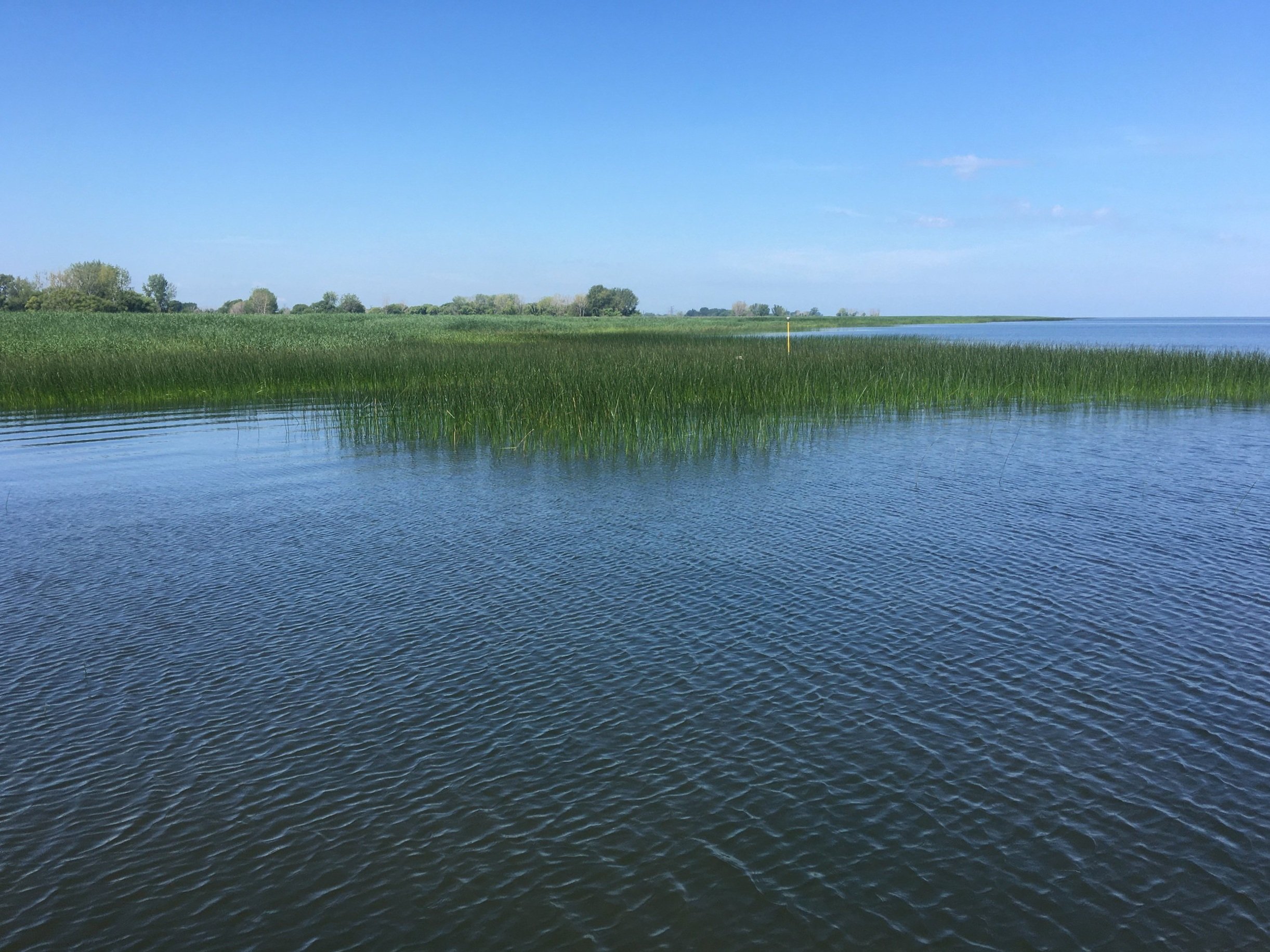
Long-term coastal change monitoring and research at Sleeping Bear Dunes and Pictured Rocks National Lakeshores
Funder: National Park Service
Key goal: Calculate coastal change over time at priority sites within Sleeping Bear Dunes and Pictured Rocks National Lakeshores and use these data to develop and implement a long-term coastal change monitoring protocol. This work involves mapping priority sites, comparing current conditions with historical data, establishing photo monitoring stations for use by park visitors, and assisting park staff as needed with coastal change issues.
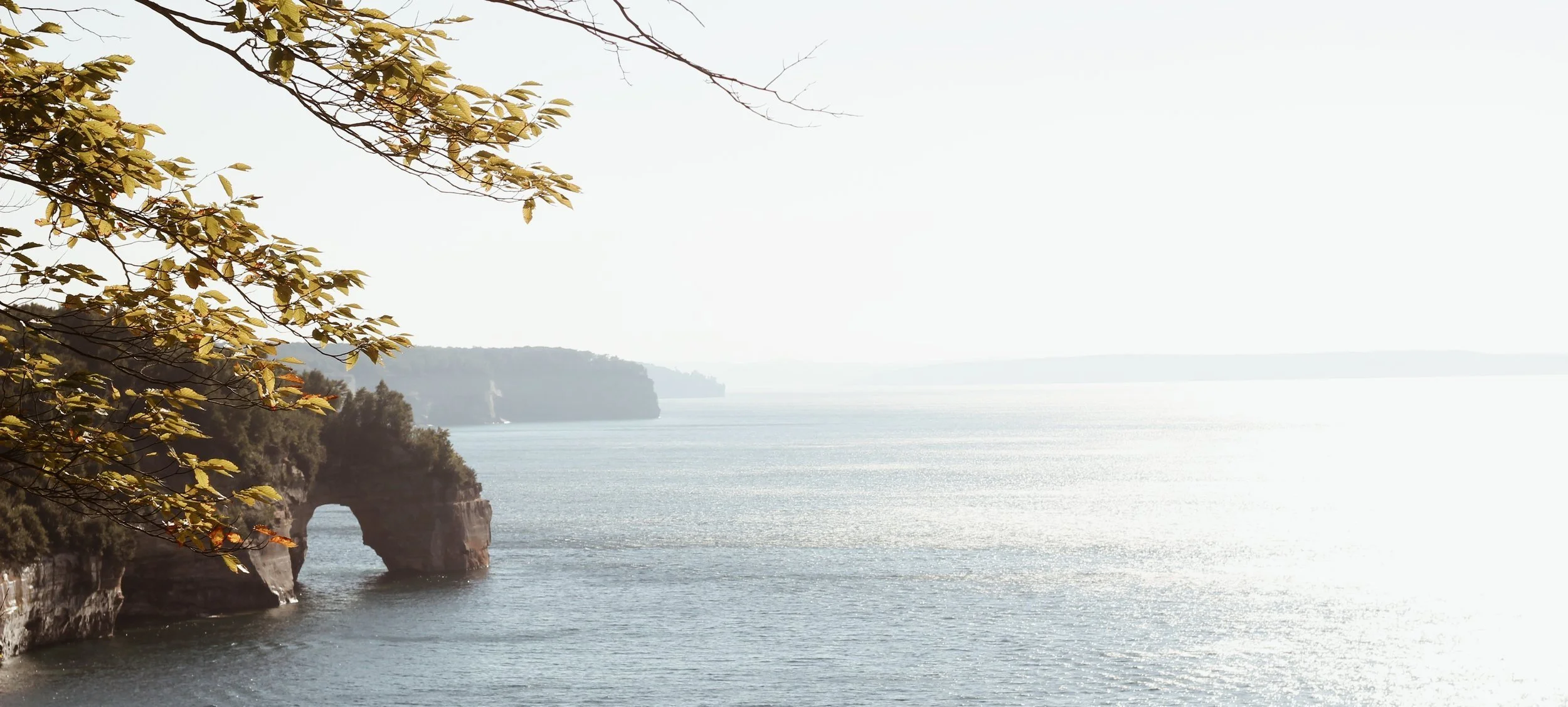
Predicting coastal resilience by documenting nearshore sediment transport pathways
Funder: Michigan Coastal Management Program: Michigan’s Office of Environment, Great Lakes, and Energy
Key goal: Identify the transport pathway for sand that eroded from beaches and dunes during the recent lake level rise and the processes and conditions that drove this response. Use this information to identify how similar sites may respond to a range of future conditions and share this information with coastal managers and decisionmakers.
Collaborators: Great Lakes Research Institute: Michigan Technological University; University of Michigan’s Taubman College of Architecture and Urban Planning
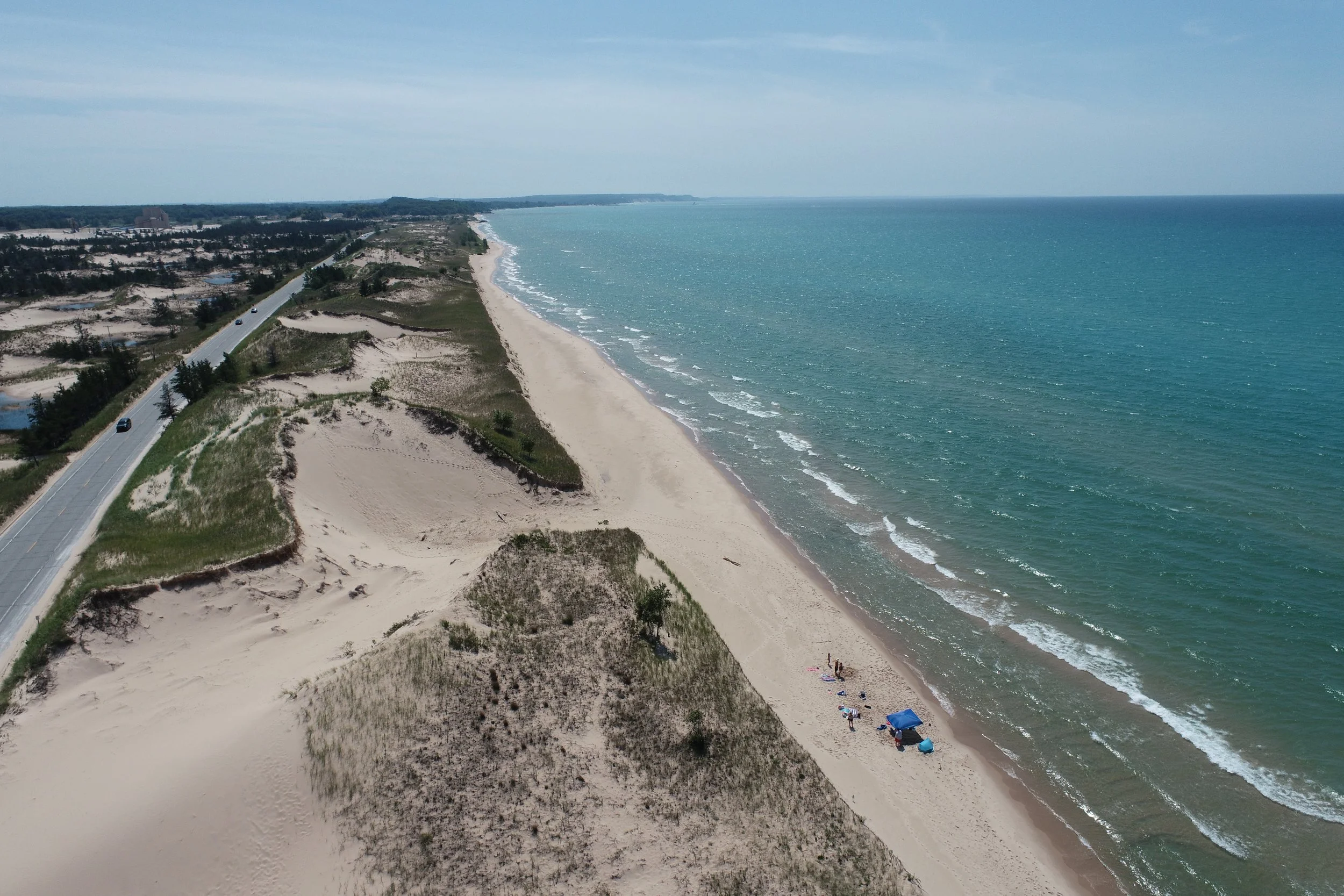
Erosion and sediment transport in response to high water levels within Saginaw Bay coastal wetlands
Key goal: Flooding is widespread along coastal wetlands in the Great Lakes during periods of high lake level and leads to a loss of wetland area. While the expansion and contraction of wetland area is well-documented in association with fluctuating lake levels, little work has been done to explore whether this is also associated with lakebed erosion. Ongoing work aims to document erosion and sediment transport associated with marsh loss and then use this information to provide insight into future marsh conditions.